
 English
 Pусский
 Deutsch
 Français
 Portugues
 Español
 العربية
 lingua italiana
 한국어
한국어 Türk dili

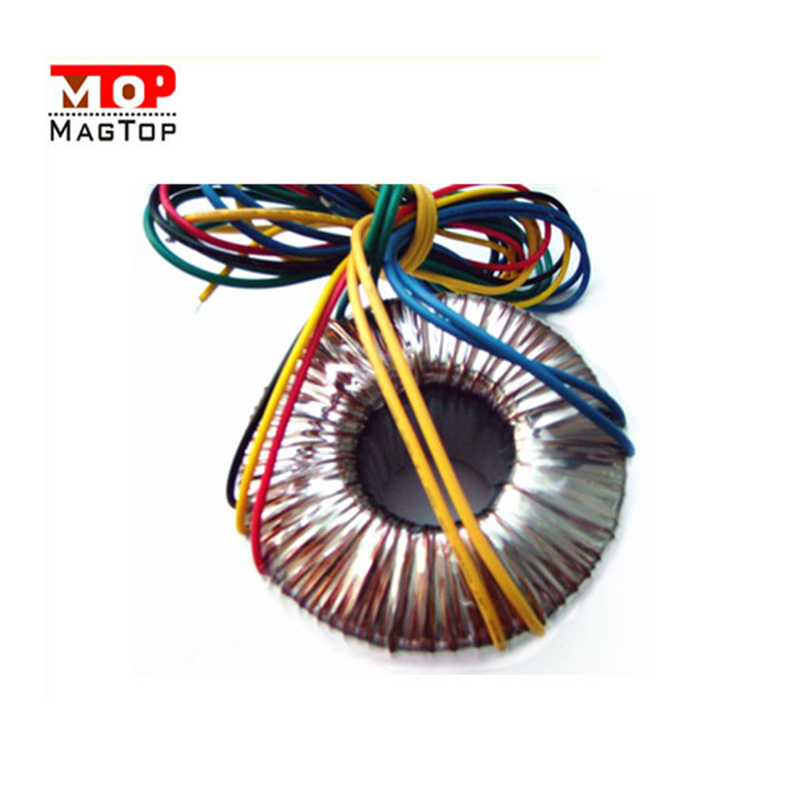
1. 動作周波数 変成器 は使用頻度との関係が大きいので、使用頻度に合わせて設計・使用する必要があります。この周波数を動作周波数と呼びます。
2. Rated power Under the specified frequency and voltage, the 変成器 can work for a long time without exceeding the output power of the specified temperature rise.
3. Rated voltage refers to the voltage allowed to be applied to the coil of the 変成器, which shall not be greater than the specified value during operation.
4. Voltage ratio refers to the ratio of the primary voltage to the secondary voltage of the 変成器, and there is a difference between the no-load voltage ratio and the load voltage ratio.
5. No-load current When the secondary of the 変成器 is open, there is still a certain current in the primary, and this part of the current is called the no-load current. The no-load current consists of the magnetizing current (which produces the magnetic flux) and the iron loss current (caused by core losses). For a 50Hz power 変成器, the no-load current is essentially equal to the magnetizing current.
6. No-load loss refers to the power loss measured at the primary when the secondary of the 変成器 is open. The main loss is the iron core loss, followed by the loss (copper loss) generated by the no-load current on the copper resistance of the primary coil, and this part of the loss is very small.
7. 効率とは、一次電力 P1 に対する二次電力 P2 の比率のパーセンテージを指します。一般に、 rated power of the 変成器、より高い効率。
8. Insulation resistance Indicates the insulation performance between the coils of the 変成器 and between the coils and the iron core. The level of insulation resistance is related to the performance, temperature and humidity of the insulating material used.
2. Rated power Under the specified frequency and voltage, the 変成器 can work for a long time without exceeding the output power of the specified temperature rise.
3. Rated voltage refers to the voltage allowed to be applied to the coil of the 変成器, which shall not be greater than the specified value during operation.
4. Voltage ratio refers to the ratio of the primary voltage to the secondary voltage of the 変成器, and there is a difference between the no-load voltage ratio and the load voltage ratio.
5. No-load current When the secondary of the 変成器 is open, there is still a certain current in the primary, and this part of the current is called the no-load current. The no-load current consists of the magnetizing current (which produces the magnetic flux) and the iron loss current (caused by core losses). For a 50Hz power 変成器, the no-load current is essentially equal to the magnetizing current.
6. No-load loss refers to the power loss measured at the primary when the secondary of the 変成器 is open. The main loss is the iron core loss, followed by the loss (copper loss) generated by the no-load current on the copper resistance of the primary coil, and this part of the loss is very small.
7. 効率とは、一次電力 P1 に対する二次電力 P2 の比率のパーセンテージを指します。一般に、 rated power of the 変成器、より高い効率。
8. Insulation resistance Indicates the insulation performance between the coils of the 変成器 and between the coils and the iron core. The level of insulation resistance is related to the performance, temperature and humidity of the insulating material used.


