
 Pусский
 Deutsch
 Français
 Portugues
 Español
 العربية
 lingua italiana
 日本語
日本語 한국어
한국어 Türk dili

Transformers, those silent workhorses of the electrical world, come with a set of essential parameters that define their capabilities and behavior. Whether you're dealing with high-frequency (HF) transformers, power frequency transformers, or high-frequency pulse transformers, a grasp of these parameters is essential for selecting and employing transformers effectively. In this exploration, we'll dive deeper into the vital parameters that shape a transformer's performance.
Working Frequency: The working frequency of a transformer is its designated operating frequency. It's a pivotal parameter because the frequency significantly impacts the core loss of the transformer. Transformers must be meticulously designed and employed in alignment with their intended operating frequency to optimize their efficiency and effectiveness.
Rated Power: Rated power represents the maximum power a transformer can handle without exceeding specified temperature limits under defined frequency and voltage conditions. This parameter ensures that the transformer can reliably meet power demands while maintaining safe operating temperatures.
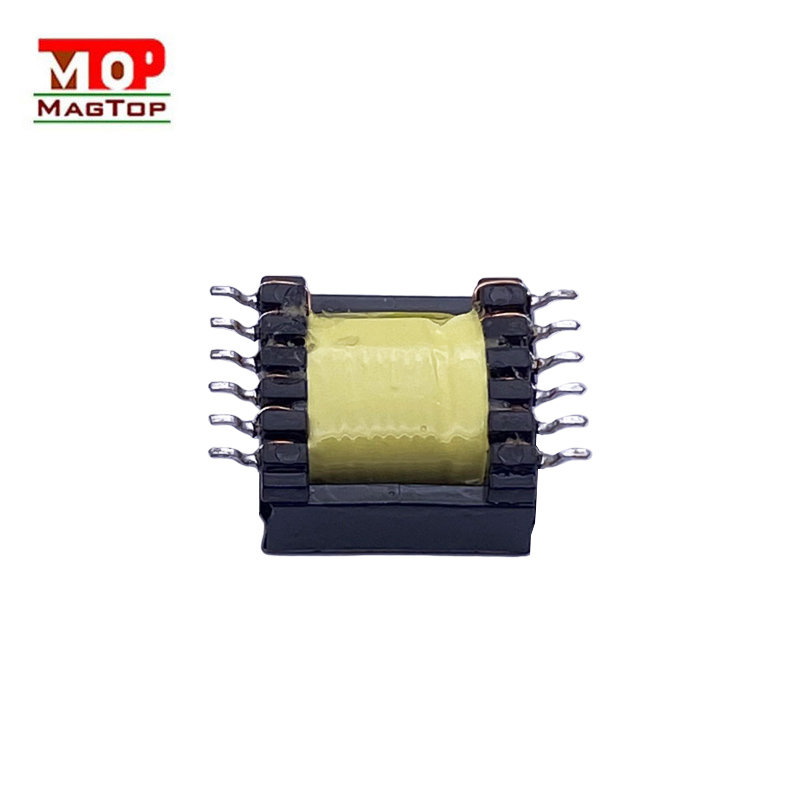
Rated Voltage: Transformers have a specified rated voltage, indicating the maximum allowable voltage applied to their coils during operation. Exceeding this voltage can lead to performance issues, overheating, or damage to the transformer.
Voltage Ratio: The voltage ratio quantifies the relationship between the primary and secondary voltages of the transformer. It defines how the transformer scales voltage levels and can vary between no-load (unloaded) and load (loaded) conditions, impacting its behavior in different scenarios.
Efficiency: Efficiency is a pivotal parameter, expressed as a percentage, that measures how effectively a transformer converts primary power into secondary power. In general, higher-rated transformers tend to exhibit greater efficiency, reducing energy losses during power conversion.
Insulation Resistance: Insulation resistance evaluates the capacity of a transformer's insulation materials to prevent electrical leakage between coils and between coils and the iron core. It serves as a crucial indicator of the transformer's insulation quality and performance in varying environmental conditions.
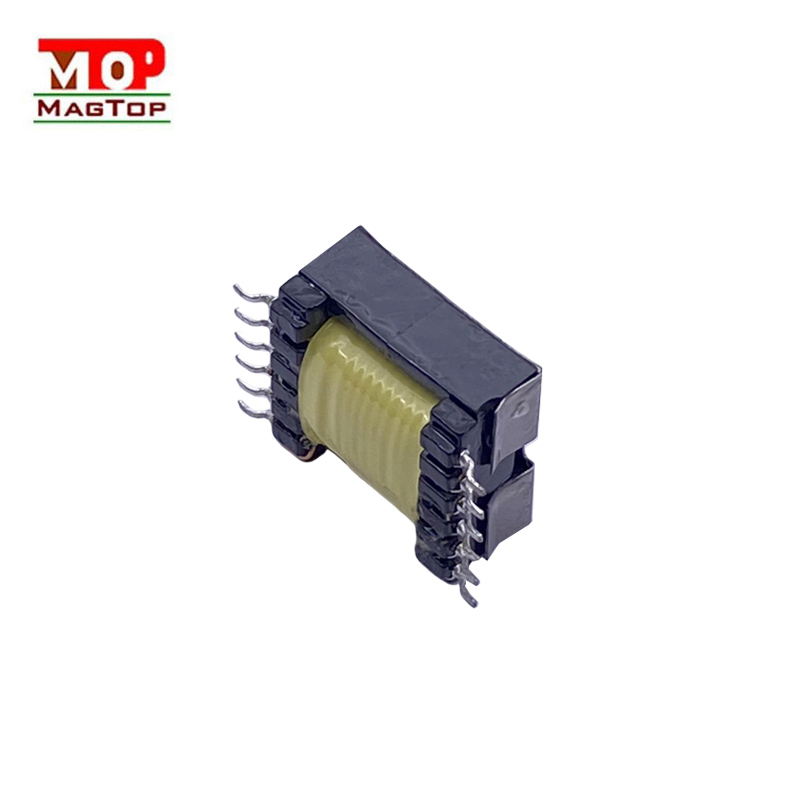
Whether you're dealing with high-frequency transformers engineered for rapid signal processing, power frequency transformers for standard electrical applications, or high-frequency pulse transformers tailored to specialized tasks, these fundamental parameters influence their suitability and effectiveness within specific applications. Understanding and considering these parameters are key steps in harnessing the full potential of transformers in various electrical systems.


