
 Pусский
 Deutsch
 Français
 Portugues
 Español
 العربية
 lingua italiana
 日本語
日本語 한국어
한국어 Türk dili

Low-frequency transformers are fundamental components in various electrical systems, and understanding their composition is crucial for effective design and application. These transformers primarily consist of three key components: the iron core, copper-aluminum wire, and insulating materials. Let's explore the roles of these components in the context of low-frequency transformers.
Iron Core: The heart of a low-frequency transformer is its iron core. This core serves as the magnetic pathway for the transformation of electrical energy. It plays a pivotal role in efficiently coupling the magnetic field between the primary and secondary windings. The core's material and design significantly impact the transformer's performance, making it a critical element in transformer construction.
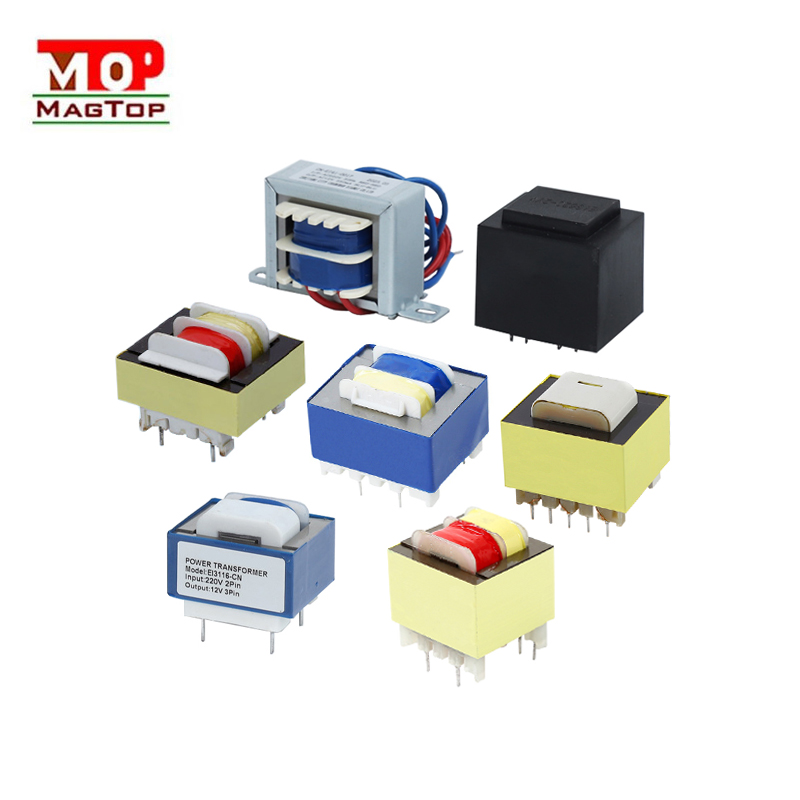
Copper-Aluminum Wire: Wound around the core are copper or aluminum wires, which form the primary and secondary windings of the transformer. These conductive wires are responsible for carrying the electrical current. Copper is commonly used for its superior electrical conductivity, while aluminum is used in some applications for its lightweight and cost-effective properties. The size and number of wire turns influence the transformer's voltage conversion capabilities.
Insulating Material: Between the primary and secondary windings and surrounding the core, insulating materials are used to prevent electrical contact and ensure the integrity of the transformer. Insulation is vital for safety and to maintain the transformer's electrical isolation.
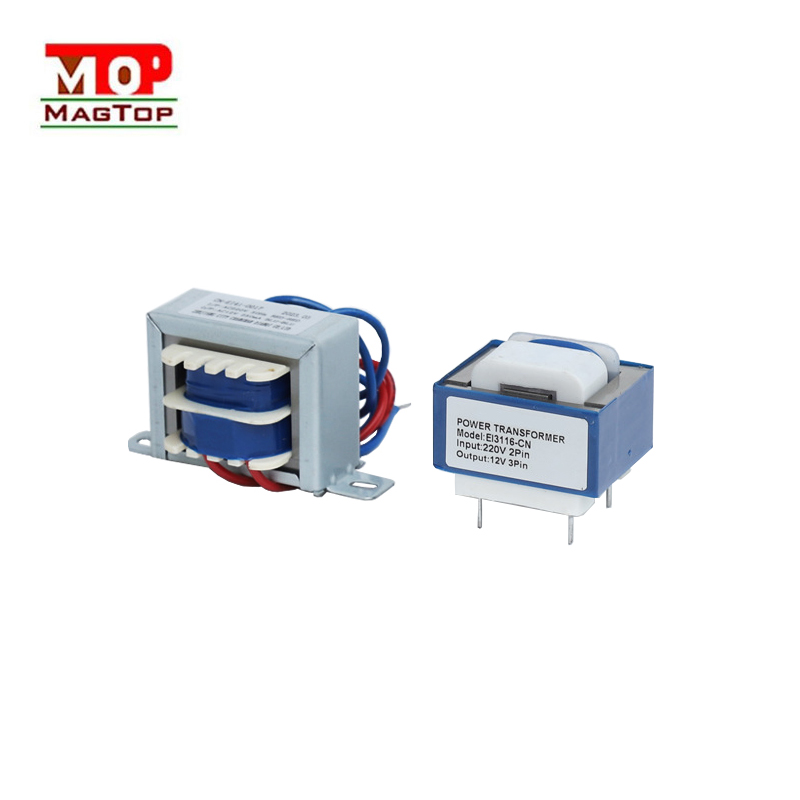
Low-frequency transformers are often customized products, and their design requires careful consideration of specific parameters. These parameters include the desired input and output voltages, current ratings, and the application's environmental conditions. Unlike standard off-the-shelf transformers, customized low-frequency transformers are tailored to meet the unique requirements of each application, ensuring optimal performance and compatibility.


