
 Pусский
 Deutsch
 Français
 Portugues
 Español
 العربية
 lingua italiana
 日本語
日本語 한국어
한국어 Türk dili

In the realm of electrical engineering, high-power, high-frequency transformers stand as dynamic enablers of progress. These specialized transformers are engineered to handle significant electrical loads at elevated frequencies, making them indispensable in a multitude of applications. In this exploration, we'll shed light on the capabilities and significance of high-power, high-frequency transformers.
High-Power Transformers: At their core, high-power transformers are designed to manage substantial electrical loads. They are engineered to efficiently transfer power from the primary winding to the secondary winding while minimizing energy losses. This capability positions them as critical components in applications where power conversion and distribution are paramount.
High-Frequency Transformers: High-frequency transformers excel in rapidly changing electrical environments. Their ability to handle elevated frequencies with precision makes them vital in applications such as radio frequency (RF) amplification, telecommunications, and power electronics. They play a crucial role in shaping and transmitting signals in these high-frequency domains.
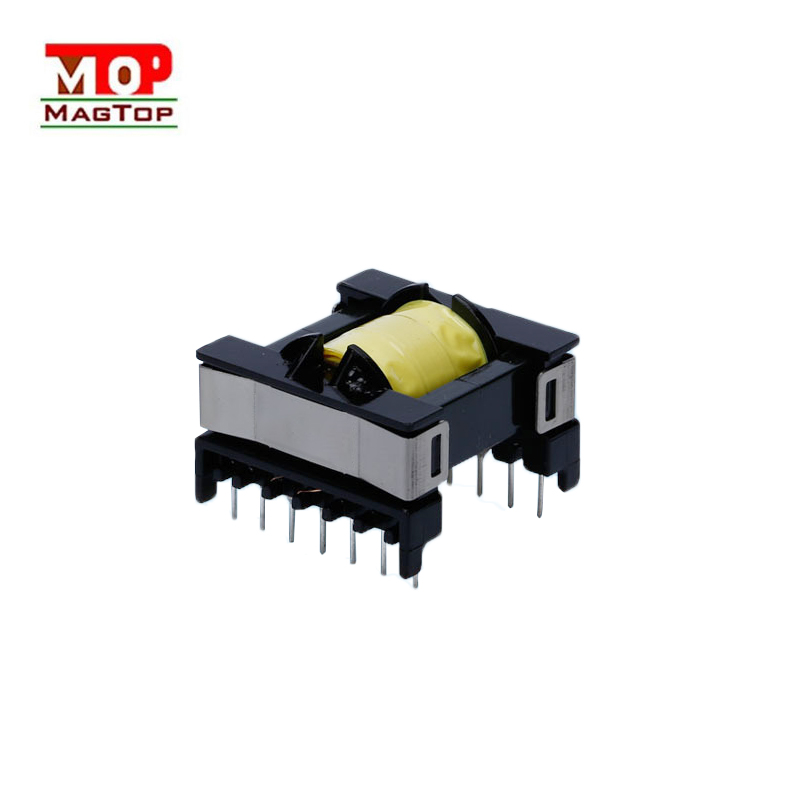
Efficiency: Efficiency is a hallmark of high-power, high-frequency transformers. Meticulously designed and constructed, these transformers are optimized to minimize energy losses, ensuring that a significant portion of the input power is efficiently transferred to the output. This efficiency is especially crucial in power electronics and RF amplification, where energy conservation is paramount.
Copper Loss: Copper loss remains a consideration even in high-power, high-frequency transformers. The resistance of the copper windings introduces some energy dissipation in the form of heat. Precise engineering and careful selection of materials help mitigate copper loss in these transformers.
Core Design: The core of a high-power, high-frequency transformer is often designed with magnetic alloys or specialized laminations to facilitate efficient energy transfer at elevated frequencies. These cores are crucial in managing the magnetic flux required for power conversion.
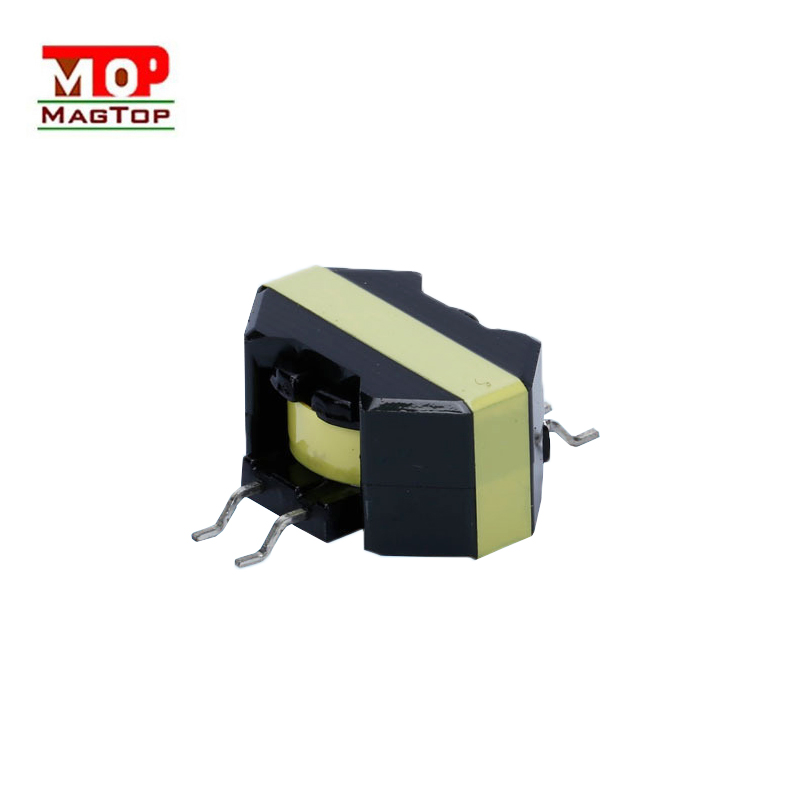
Applications: High-power, high-frequency transformers find application in a wide range of industries, from broadcasting and telecommunications to medical equipment and industrial automation. They enable the efficient transmission of power and signals, contributing to the advancement of technology and industry.
In conclusion, high-power, high-frequency transformers are the unsung heroes that power progress in today's fast-paced world. Their ability to handle significant electrical loads at elevated frequencies ensures that critical systems and industries can operate efficiently and reliably. As technology continues to advance, these transformers will remain at the forefront, driving innovation and enabling the future of electrical engineering.


