
 Pусский
 Deutsch
 Français
 Portugues
 Español
 العربية
 lingua italiana
 日本語
日本語 한국어
한국어 Türk dili

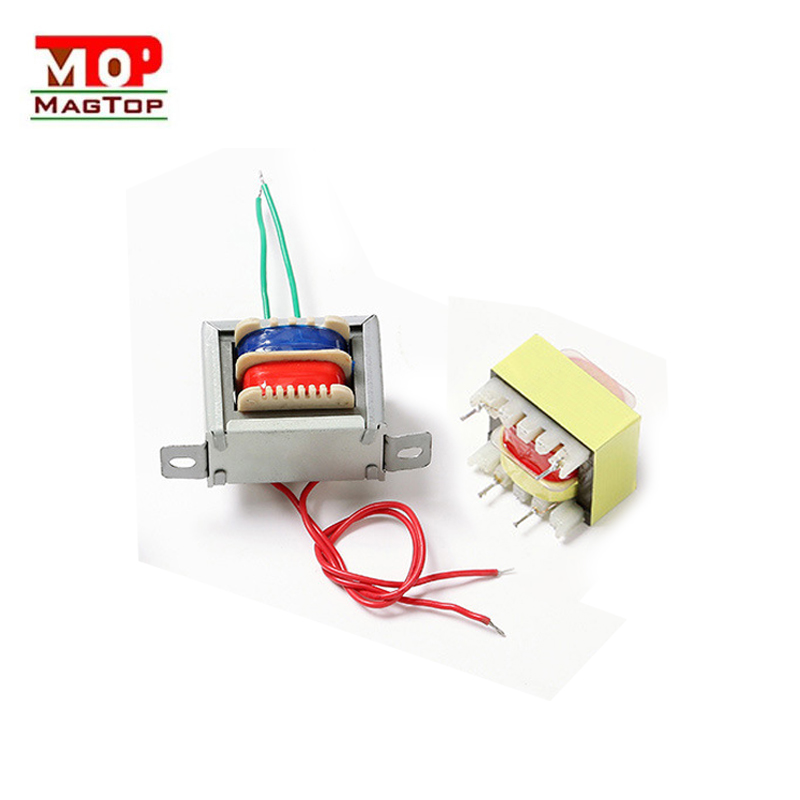
In the realm of transformers, low-frequency transformers play a critical role in various applications, from audio systems to renewable energy solutions. Let's delve into the characteristics and applications of low-frequency transformers, exploring their role in power supply systems and beyond.
1. Versatility in Application:
Low-frequency transformers find application in a diverse range of scenarios. From low-frequency switching power supply transformers to audio transformers and equipment for home appliances, security monitoring, and solar wind energy, their versatility is apparent.
Low-frequency transformers find application in a diverse range of scenarios. From low-frequency switching power supply transformers to audio transformers and equipment for home appliances, security monitoring, and solar wind energy, their versatility is apparent.
2. Core Material Selection:
In contrast to high-frequency transformers, low-frequency transformers typically utilize silicon steel sheets with high magnetic permeability. This choice of core material is tailored to the lower frequencies, ensuring optimal magnetic properties and efficiency in the transmission of electrical energy.
In contrast to high-frequency transformers, low-frequency transformers typically utilize silicon steel sheets with high magnetic permeability. This choice of core material is tailored to the lower frequencies, ensuring optimal magnetic properties and efficiency in the transmission of electrical energy.
3. Adaptation to Low Frequencies:
Low-frequency transformers face unique challenges as frequencies decrease. To maintain efficiency, adjustments such as using a smaller number of turns or even winding into hollow coils become necessary. This adaptation ensures the transformer's efficacy in transmitting low-frequency signals.
Low-frequency transformers face unique challenges as frequencies decrease. To maintain efficiency, adjustments such as using a smaller number of turns or even winding into hollow coils become necessary. This adaptation ensures the transformer's efficacy in transmitting low-frequency signals.
In conclusion, low-frequency transformers are integral components in various applications, providing the necessary voltage transformations for audio systems, home appliances, and renewable energy solutions. Their design considerations and material choices differ from their high-frequency counterparts, reflecting the nuanced requirements of different frequency ranges in the realm of transformers.


