
 Pусский
 Deutsch
 Français
 Portugues
 Español
 العربية
 lingua italiana
 日本語
日本語 한국어
한국어 Türk dili

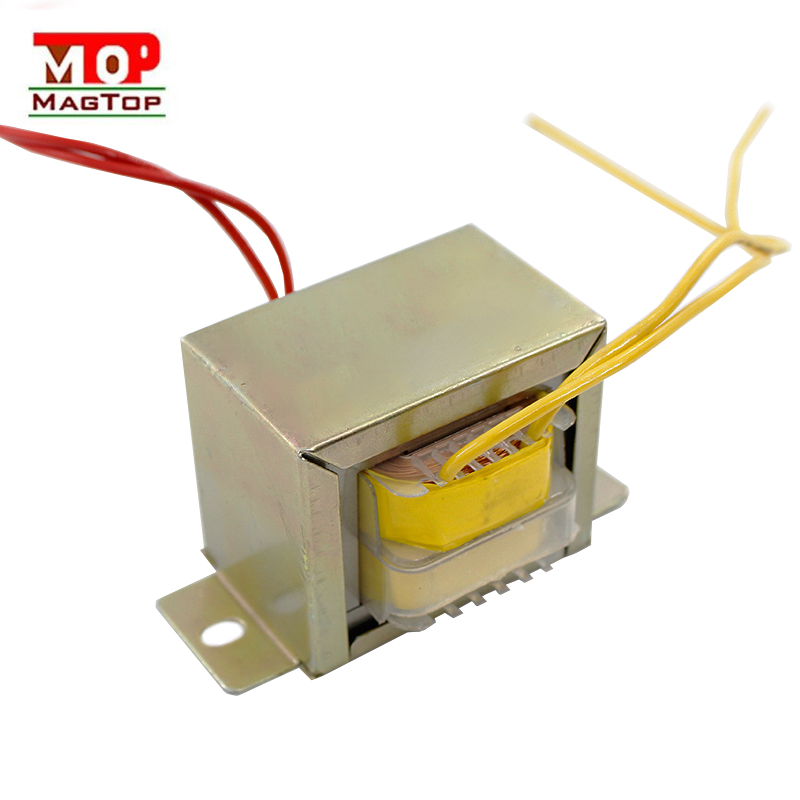
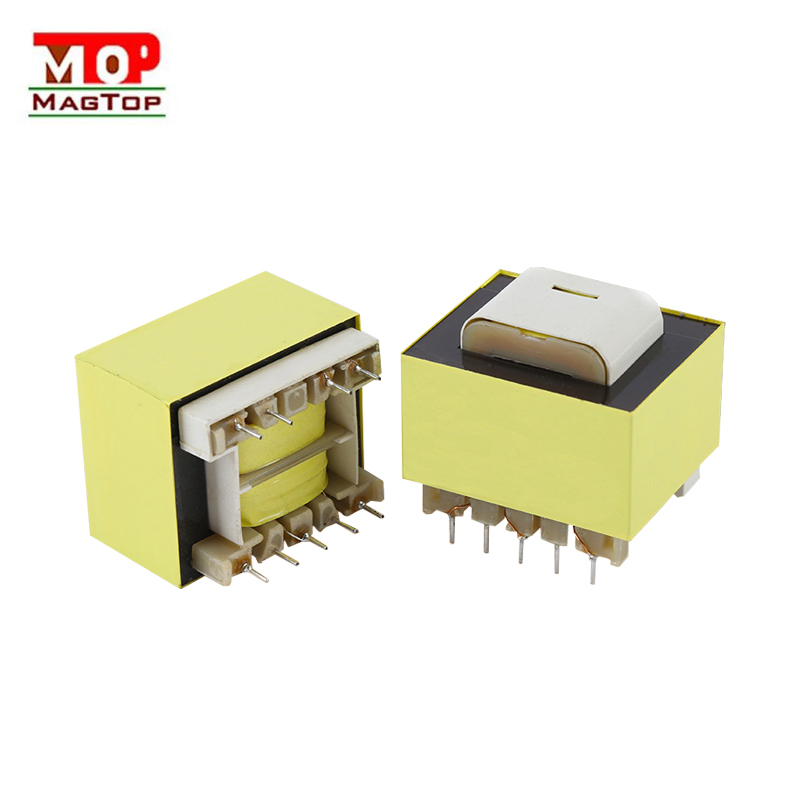
Low-frequency transformers find application in transmitting both signal voltage and signal power. They are also employed for achieving impedance matching between circuits and can isolate direct current.
These transformers are categorized into three types: interstage coupling transformers, input transformers, and output transformers. They bear a resemblance to power transformers in terms of their physical appearance.
Interstage Coupling Transformer:
The interstage coupling transformer serves as a linking component between two audio amplifier circuits. Its purpose is to convey the output signal from the former amplifier circuit to the subsequent stage while facilitating suitable impedance conversion.
The interstage coupling transformer serves as a linking component between two audio amplifier circuits. Its purpose is to convey the output signal from the former amplifier circuit to the subsequent stage while facilitating suitable impedance conversion.
Input Transformer:
During the early era of semiconductor radios, input transformers were utilized between the audio push stage and the power amplifier stage. These transformers were responsible for coupling and transmitting signals, often referred to as push transformers. Input transformers can be classified into single-end input type and push-pull input type. If the driving circuit is single-ended, the input transformer corresponds to a single-end input transformer. On the other hand, if the driving circuit is push-pull, the input transformer is a push-pull input transformer.
During the early era of semiconductor radios, input transformers were utilized between the audio push stage and the power amplifier stage. These transformers were responsible for coupling and transmitting signals, often referred to as push transformers. Input transformers can be classified into single-end input type and push-pull input type. If the driving circuit is single-ended, the input transformer corresponds to a single-end input transformer. On the other hand, if the driving circuit is push-pull, the input transformer is a push-pull input transformer.
Output Transformer:
An output transformer is linked to the output circuit of a power amplifier as well as the loudspeaker. Its principal functions encompass signal transmission and impedance matching. Output transformers can further be segregated into single-end output transformers and push-pull output transformers.
An output transformer is linked to the output circuit of a power amplifier as well as the loudspeaker. Its principal functions encompass signal transmission and impedance matching. Output transformers can further be segregated into single-end output transformers and push-pull output transformers.
To ensure the utmost accuracy and reliability of our products, MagTop invests in advanced testing and inspection facilities. With cutting-edge technology and stringent quality control measures, we guarantee that every component bearing the MagTop name meets the highest industry standards.


