
 Pусский
 Deutsch
 Français
 Portugues
 Español
 العربية
 lingua italiana
 日本語
日本語 한국어
한국어 Türk dili

In the intricate world of electrical engineering, low-frequency transformers stand as indispensable tools for signal propagation, voltage transmission, and impedance matching between circuits. These versatile components also excel at blocking direct current, making them essential in various applications. While the fundamental principles governing high-frequency and low-frequency transformers remain the same, the distinct frequencies they operate at result in differences in the materials used for their cores.
Low-frequency transformers play a pivotal role in facilitating the propagation of signal voltage and signal power. They enable seamless transmission of signals across different parts of electrical systems, ensuring efficient communication between components. Moreover, these transformers possess the capability to accomplish impedance matching between circuits, optimizing the transfer of power and minimizing signal reflections.
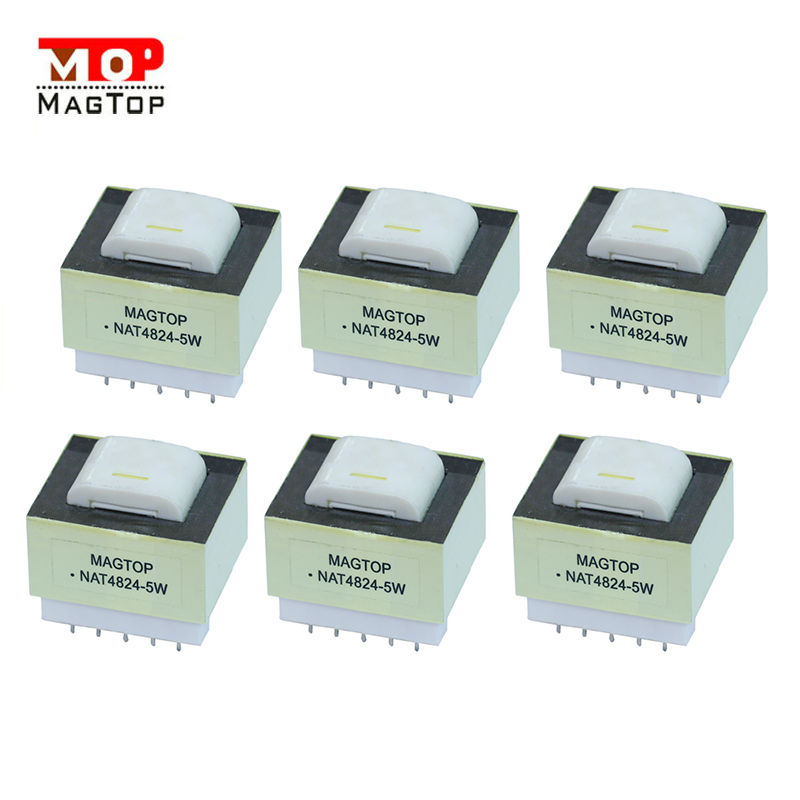
One of the key features of low-frequency transformers is their ability to block direct current (DC). This property is invaluable in applications where DC interference needs to be eliminated, ensuring that only the desired alternating current (AC) components pass through the circuit. This feature contributes to maintaining the purity and accuracy of the transmitted signals.
While the fundamental principles remain consistent, the frequency disparities between low and high-frequency transformers necessitate distinct core materials. Low-frequency transformers typically employ high-permeability silicon steel sheets as their core material. These sheets are carefully designed to offer minimal energy losses and efficient magnetic flux propagation, ensuring the effectiveness of the transformer's performance.
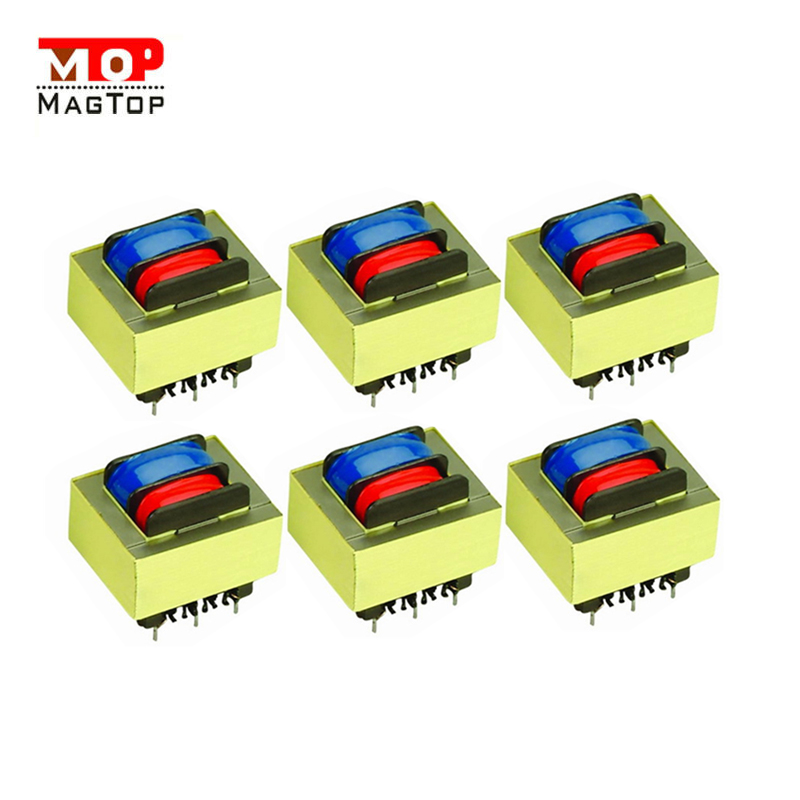
In summary, low-frequency transformers are foundational components in the realm of electrical engineering. Their role in signal propagation, voltage transmission, impedance matching, and DC blocking makes them invaluable in a wide range of applications. By utilizing appropriate core materials, such as high-permeability silicon steel sheets, these transformers deliver efficient and reliable performance, contributing to the seamless functioning of various electrical systems.


