
 Pусский
 Deutsch
 Français
 Portugues
 Español
 العربية
 lingua italiana
 日本語
日本語 한국어
한국어 Türk dili

Coils, fundamental components in electronic circuits, find varied applications across devices and systems. Understanding their classifications aids in optimizing performance and functionality in respective applications.
Diverse Classifications of Coils
1.Single-Layer Coil: Often found in medium wave antenna setups of transistor radios, this coil features an insulated wire wound round by round on a paper tube or bakelite bobbin.
2.Honeycomb Coil: Differing from the standard plane winding, this coil intersects at an angle, introducing a unique structure. The number of bends in the wire during one revolution, known as break points, determines characteristics like size, distributed capacitance, and inductance.
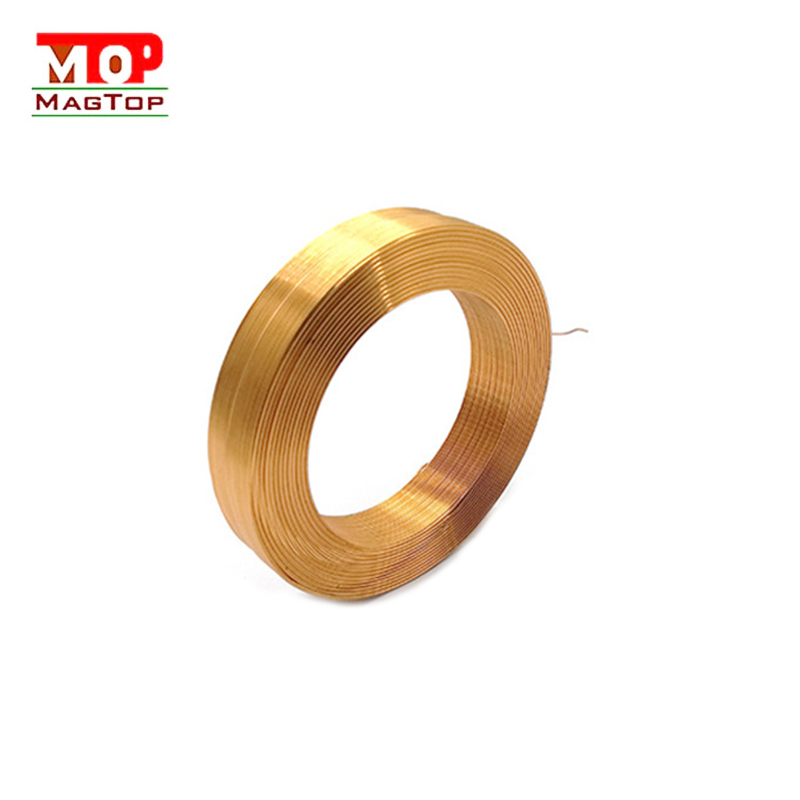
3.Ferrite and Iron Powder Core Coils: The presence or absence of a magnetic core significantly impacts the inductance of choke coil inductors. Adding a ferrite core to an air-core coil increases inductance and enhances the coil's quality factor.
4.Copper Core Coil: Widely utilized in the ultrashort wave range, these coils enable inductance adjustments by rotating the position of the copper core within the coil, offering convenience and durability in tuning.
5.Color-Coded Inductors: Similar to resistors, these inductors have fixed inductance values represented by color-coded rings, simplifying identification and usage.
6.Choke Coil: Functioning to impede alternating current, these coils come in high-frequency and low-frequency variations, each serving specific purposes in circuitry.
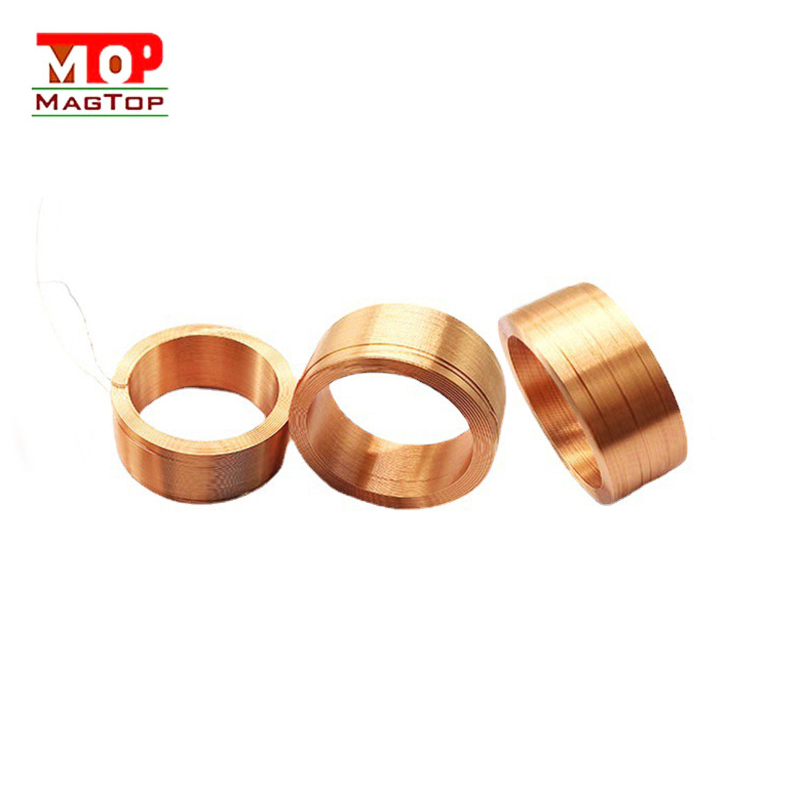
7.Deflection Coil: Within TV scanning circuits, the deflection yoke serves as the load in the output stage. It demands high deflection sensitivity, uniform magnetic field provision, high Q-value, compact size, and cost-effectiveness for optimal performance.
Understanding the nuances of these coil variations proves pivotal in designing and optimizing electronic systems across industries.


