Pусский
 Deutsch
 Français
 Portugues
 Español
 العربية
 lingua italiana
 日本語
日本語 한국어
한국어 Türk dili

Principle of electromagnetic induction
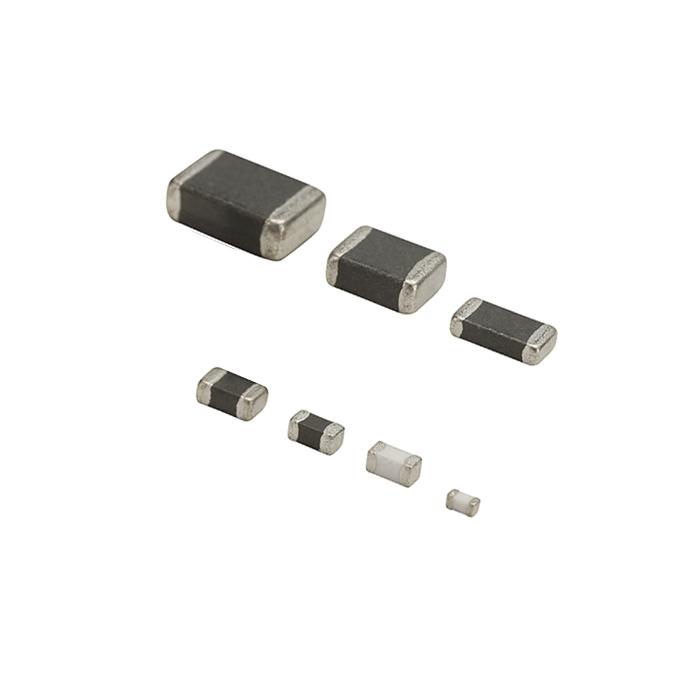
When AC current passes through the coil of SMD power inductors, according to Faraday's law of electromagnetic induction, the changing current will generate an alternating magnetic field around the coil, and this alternating magnetic field will induce an electromotive force at both ends of the coil. The direction of this induced electromotive force is opposite to the direction of the applied voltage, thereby hindering the AC current. This hindering effect is called inductive reactance.
When AC current passes through the coil of SMD power inductors, according to Faraday's law of electromagnetic induction, the changing current will generate an alternating magnetic field around the coil, and this alternating magnetic field will induce an electromotive force at both ends of the coil. The direction of this induced electromotive force is opposite to the direction of the applied voltage, thereby hindering the AC current. This hindering effect is called inductive reactance.
Principle of self-induction
When the current in the coil changes, the coil itself will generate an induced electromotive force to hinder the change of current. This is the self-induction phenomenon. For example, when the current increases, the direction of the self-induced electromotive force is opposite to the direction of the current, hindering the increase of the current; when the current decreases, the direction of the self-induced electromotive force is the same as the direction of the current, hindering the decrease of the current.
When the current in the coil changes, the coil itself will generate an induced electromotive force to hinder the change of current. This is the self-induction phenomenon. For example, when the current increases, the direction of the self-induced electromotive force is opposite to the direction of the current, hindering the increase of the current; when the current decreases, the direction of the self-induced electromotive force is the same as the direction of the current, hindering the decrease of the current.
Energy storage and conversion
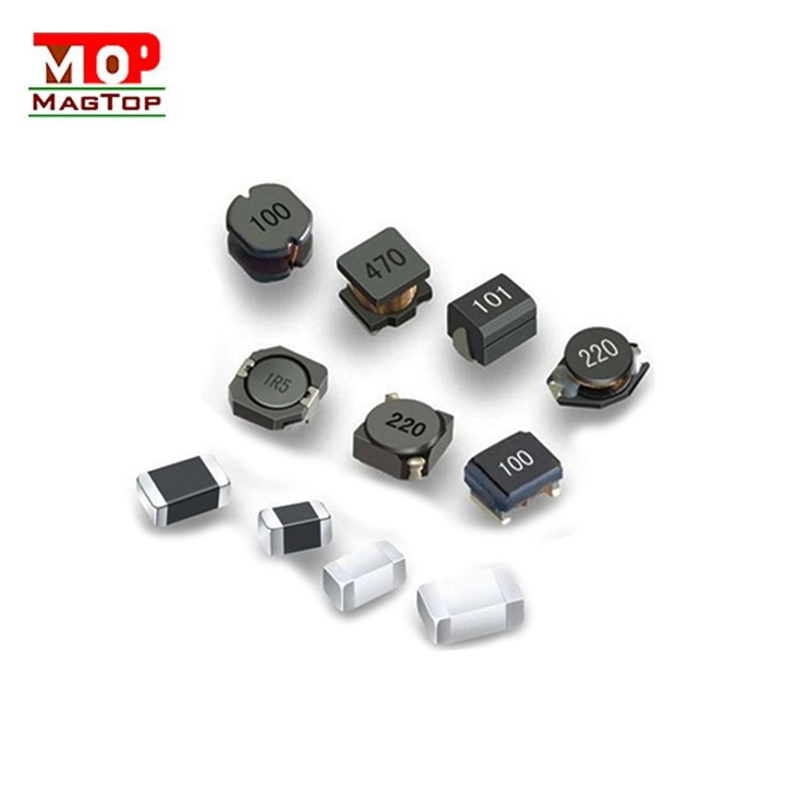
During the power-on process, the power inductor will store electrical energy in the form of magnetic field energy. When the current in the circuit changes, such as at the moment when the switch tube of the switching power supply is turned on and off, the inductor will release the stored magnetic field energy to maintain the current stability in the circuit and play a role in smoothing the current waveform. In a DC-DC converter, the power inductor stores energy during the on-time of the switch tube and releases energy during the off-time of the switch tube, thereby realizing voltage conversion and regulation.
During the power-on process, the power inductor will store electrical energy in the form of magnetic field energy. When the current in the circuit changes, such as at the moment when the switch tube of the switching power supply is turned on and off, the inductor will release the stored magnetic field energy to maintain the current stability in the circuit and play a role in smoothing the current waveform. In a DC-DC converter, the power inductor stores energy during the on-time of the switch tube and releases energy during the off-time of the switch tube, thereby realizing voltage conversion and regulation.
Filtering effect
Since the inductor has an obstructive effect on AC signals, but basically has no obstruction on DC signals, in the power supply circuit, the SMD power inductor can form a filter with components such as capacitors, such as a low-pass filter. It allows the DC component to pass smoothly, while producing a large attenuation on high-frequency components such as AC ripple, thereby playing a filtering role and making the output DC voltage smoother and more stable.
Since the inductor has an obstructive effect on AC signals, but basically has no obstruction on DC signals, in the power supply circuit, the SMD power inductor can form a filter with components such as capacitors, such as a low-pass filter. It allows the DC component to pass smoothly, while producing a large attenuation on high-frequency components such as AC ripple, thereby playing a filtering role and making the output DC voltage smoother and more stable.
Forming a resonant circuit
When used with components such as capacitors and resistors, can form LC tuning circuits, etc. In an LC resonant circuit, when the frequency of the input signal is equal to the resonant frequency of the circuit, the circuit will resonate. At this time, the inductive reactance of the inductor is equal to the capacitive reactance of the capacitor and cancels each other. The inductive reactance of the total loop current is the smallest and the current is the largest, so that an AC signal of a specific frequency can be selected to achieve functions such as frequency selection and oscillation.
When used with components such as capacitors and resistors, can form LC tuning circuits, etc. In an LC resonant circuit, when the frequency of the input signal is equal to the resonant frequency of the circuit, the circuit will resonate. At this time, the inductive reactance of the inductor is equal to the capacitive reactance of the capacitor and cancels each other. The inductive reactance of the total loop current is the smallest and the current is the largest, so that an AC signal of a specific frequency can be selected to achieve functions such as frequency selection and oscillation.