Voltage Transformation in High-Frequency Transformers
Voltage Transformation in High-Frequency Transformers
author: magtop
16/01/2026Industry News
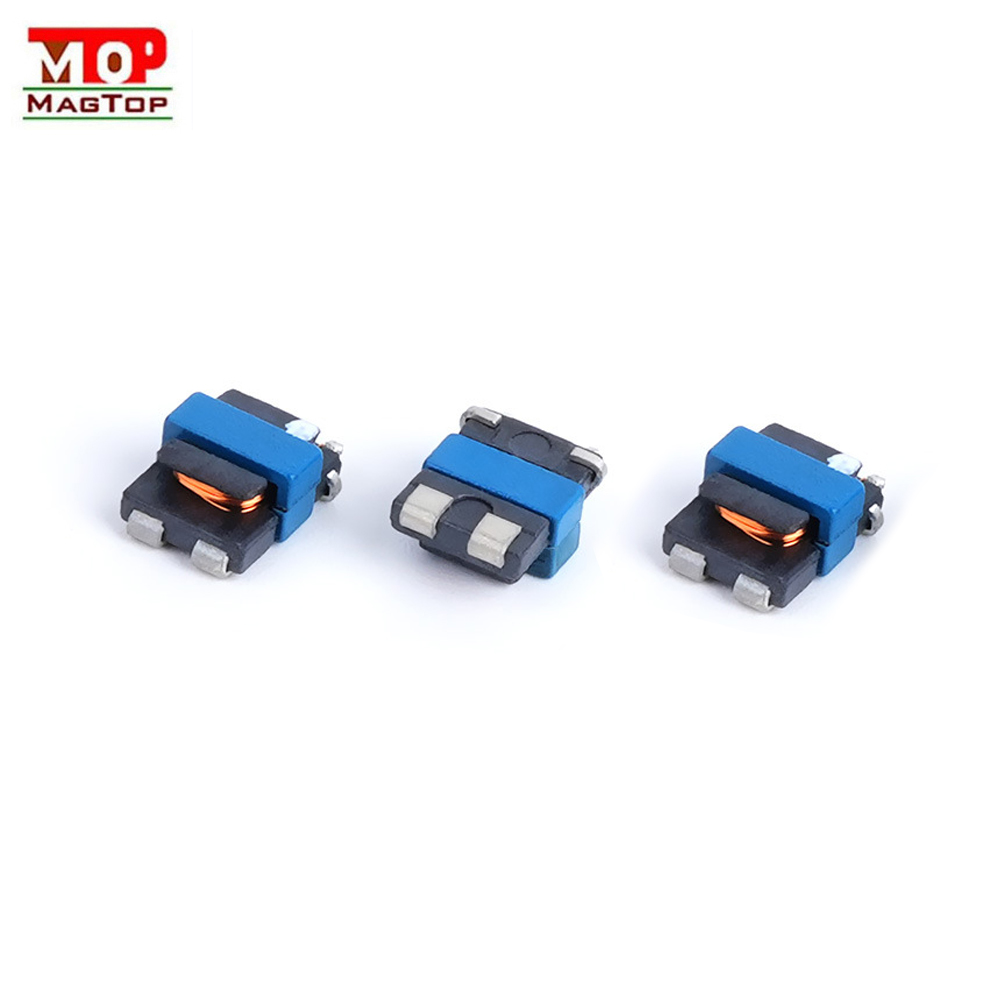
High-frequency transformers, including flyback, pulse, and switching transformers, operate on the fundamental principle of electromagnetic induction, enabling voltage regulation and conversion. They consist of two key coils: the primary and secondary coils, with the secondary typically located outside the primary. When alternating current is introduced to the primary coil, the transformer core generates an alternating magnetic field, inducing an electromotive force in the secondary coil. The voltage transformation is dictated by the turns ratio between the two coils. For instance, a primary coil with 500 turns and a secondary coil with 250 turns can reduce 220 volts from the primary to 110 volts at the secondary, facilitating either step-up or step-down voltage adjustments.
This ability to regulate voltage makes high-frequency transformers vital in various applications, from household electronics to industrial power systems. Whether stepping down high voltage for consumer devices or stepping up low voltage for industrial applications, high-frequency transformers play an essential role in energy conversion and distribution.

 Pусский
 Deutsch
 Français
 Portugues
 Español
 العربية
 lingua italiana
 日本語
日本語 한국어
한국어 Türk dili