Pусский
 Deutsch
 Français
 Portugues
 Español
 العربية
 lingua italiana
 日本語
日本語 한국어
한국어 Türk dili

In the realm of high-frequency transformers, the intricacies of coil design play a pivotal role in achieving optimal performance. A key decision revolves around the selection of conductor materials, with Litz wire and copper tape representing two distinct approaches. Let's delve into the advantages and disadvantages of each, shedding light on their unique characteristics.
Litz Wire:
Advantages:
Advantages:
Simplicity in Process: Litz wire offers a simpler manufacturing process, making it an attractive choice for high-frequency applications. The streamlined process contributes to ease of production and potential cost savings.
Disadvantages:
Disadvantages:
Current Limitations: The effectiveness of Litz wire diminishes as currents increase. To accommodate higher currents, an increased number of Litz wire strands may be required, potentially elevating the overall process cost.
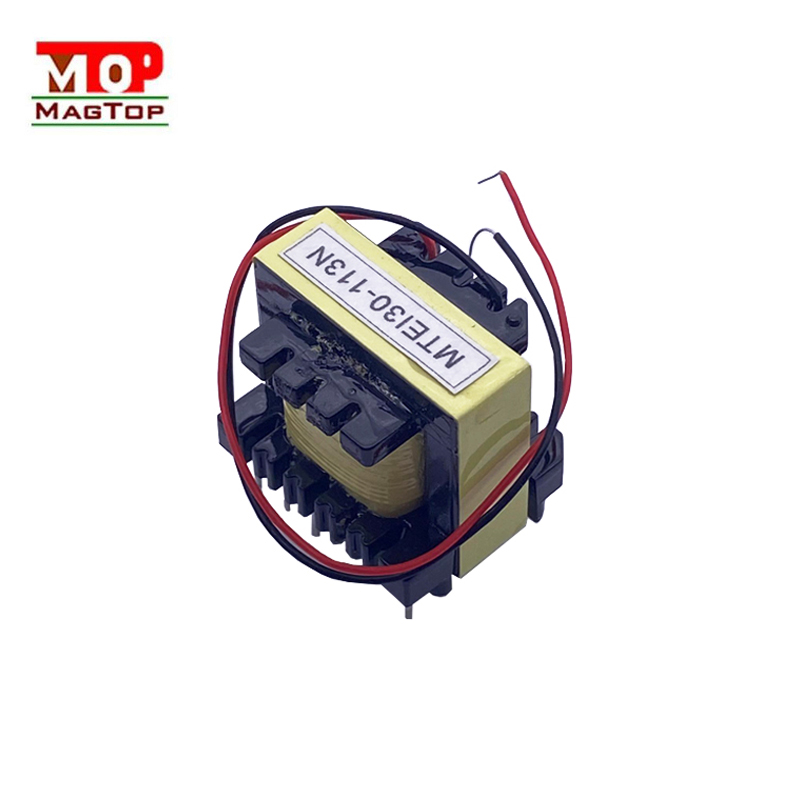
Copper Tape:
Design Process:
The design approach for copper tape is akin to that of Litz wire. It involves determining the current, establishing current density based on temperature rise requirements, calculating the required cross-sectional area, and then determining the necessary wire size. The key distinction lies in the cross-sectional shape, with Litz wire being a sum of multiple circles, and copper tape adopting a rectangular form.
Choosing Between Copper Tape and Litz Wire:
The choice between copper tape and Litz wire hinges on the specific requirements of the transformer design. For applications with lower currents, Litz wire emerges as the simpler and potentially more cost-effective solution. In contrast, high-current scenarios favor the use of copper tape, leveraging its rectangular cross-sectional area to efficiently carry larger currents.
The choice between copper tape and Litz wire hinges on the specific requirements of the transformer design. For applications with lower currents, Litz wire emerges as the simpler and potentially more cost-effective solution. In contrast, high-current scenarios favor the use of copper tape, leveraging its rectangular cross-sectional area to efficiently carry larger currents.
In conclusion, the decision between Litz wire and copper tape in high-frequency transformers involves a nuanced consideration of current requirements, manufacturing complexities, and cost considerations. Each approach brings its own set of advantages and disadvantages, and the optimal choice depends on the unique demands of the transformer's operating conditions and design specifications.