Understanding Common Mode and Differential Interference in PCB Systems
Understanding Common Mode and Differential Interference in PCB Systems
author: MagTop
17/04/2026Industry News
Electromagnetic interference (EMI) continues to pose challenges in printed circuit board (PCB) design, particularly in densely packed computer motherboards. The interaction of multiple circuit types leads to interference that can degrade performance and cause compliance issues.
Two primary types of EMI are identified: differential mode interference and common mode interference. Differential interference occurs between paired conductors, while common mode interference involves unwanted currents flowing between conductors and ground.
The latter is especially problematic, as it can travel through external cables and radiate into the surrounding environment. This is a major concern for high-speed communication ports, where interference can easily escape through connected interfaces.
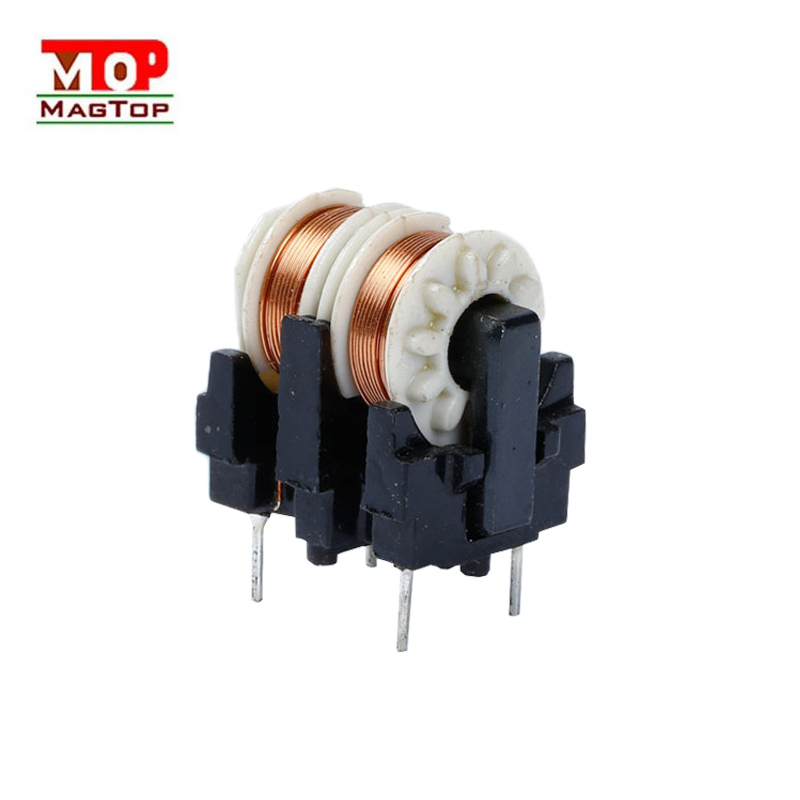
To address this, designers implement filter circuits that target both interference types. Common mode inductors play a vital role by blocking unwanted currents while allowing desired signals to pass. These components are now considered essential in modern PCB layouts to ensure electromagnetic compatibility (EMC).

 Pусский
 Deutsch
 Français
 Portugues
 Español
 العربية
 lingua italiana
 日本語
日本語 한국어
한국어 Türk dili